
How to organize a company anniversary? Best ideas for a corporate event
A successful company anniversary combines team emotions with business goals. The key is a plan that clearly defines why you are meeting, which format to choose and how to run the programme to strengthen the brand image and relationships with employees and partners. A modern event venue makes this easier with modular rooms, efficient technology and on-site catering, ensuring guest comfort and a predictable day.
Event purpose and format: how to decide without lengthy discussions
First, answer the question: what should happen after the event? If team relationships are the priority, a gala with team-building elements works best. To highlight achievements and vision, add a content segment featuring breakthrough projects. Company event may be an evening gala, an all-day conference with dinner or an intimate anniversary gathering. A simple goal matrix helps: image, relationships, knowledge, sales. Select one main goal and two supporting ones, and the format will follow naturally.
Space and room layout: what really makes a difference
A modern venue should have a plenary room, several modular rooms, a foyer for registration and facilities for technology and speakers. Room proportions, daylight and acoustics matter because they affect participant energy. A company anniversary requires convenient movement between registration, the official area and the networking zone. Clear signs, an easy-to-read schedule on screens and logically placed buffets reduce queues and delays. Also check changing rooms for speakers and backstage space for production staff.
Step-by-step programme: from guest arrival to the final song
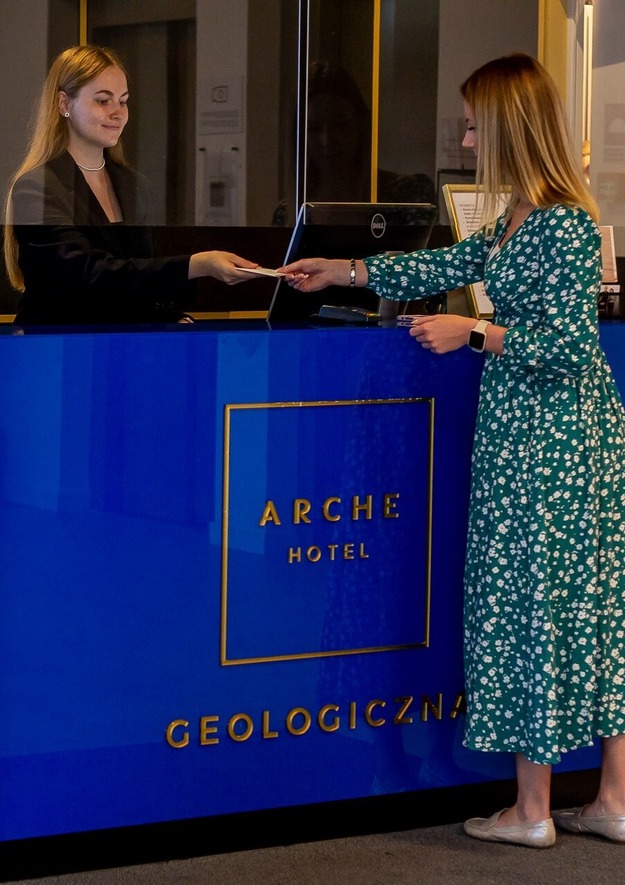
Start with smooth registration, ideally in two lines divided alphabetically. The official segment should have a clear rhythm: opening, short speeches, awards, a video and then a transition to lighter activities. A company event gains quality when transitions between modules are brief and supported by music and lighting. After announcing the awards, do not prolong the speeches; invite guests to dinner or the conversation area. This sequence maintains attention and positive momentum.
Technology and production: how to avoid technical surprises
Prepare the technical plan alongside the programme. Check the specifications of screens, projectors and sound systems, and determine microphone types and channel numbers. An event space should provide a stable wired connection, dedicated Wi-Fi for production and stage lighting with room-dimming capability. Plan a full technical rehearsal with lighting and sound, view materials on screen at their original resolution and ensure the operator has backup copies. If you stream part of the programme, prepare a separate audio feed and separate camera shots.
Creative ideas that strengthen the brand story
The best solutions are simple and well integrated into the programme. Instead of lengthy presentations, focus on experiences that spark conversations and create shared memories.
-
A memory wall with photos and short employee stories
-
A time capsule with letters to the future team, opened at the next anniversary
-
An interactive-screen map of the company’s milestones
-
A demo zone with products and prototypes in a mini trade-show format
-
An intimate music performance or cooking demonstration during the dinner break
Each element can carry emotion and provide a conversation starter, naturally supporting networking.
Catering and service: how to plan guest energy
The menu should be light in the first part of the day and more substantial in the evening. Place buffets at two points to shorten queues. A company anniversary with a seated dinner works well when you plan awards and speeches, while a banquet format is better for intensive networking. Remember vegetarian options and allergies, as well as non-alcoholic cocktails. Synchronising service with the agenda is essential, so the programme keeps its pace.
Budget and logistics: how to stay in control without cutting quality
Event costs usually cover the venue, technology, décor, catering, entertainment and production. Optimise elements guests do not see, and invest in those that enhance their experience. A company event is cheaper to coordinate when one on-site team provides most services. Allow time for setup and dismantling, a separate supplier entrance and production parking. For out-of-town guests, a room allocation and simple confirmation system are useful.
Measuring results and applying post-event insights
Success is best assessed on three levels. The first is guest satisfaction, measured with a short mobile survey sent on the day of the event. The second is goal-related metrics, such as the number of sales conversations arranged or applications to the ambassador programme. The third is operational production data: module punctuality, meal service times and the number of technical support requests. A company anniversary in the next edition will be better when you turn these insights into specific recommendations for the team and venue.
Common mistakes and a simple way to avoid them
Mistakes usually result from a lack of time buffers, unclear roles and underestimated technical needs. A well-prepared plan minimises risk from the contract stage.
-
Too little time for rehearsals and setup, and too short a room handover window
-
Overlong speeches without time limits or stage rehearsals
-
One registration line and insufficient corridor signage
-
No contingency plan for equipment failure or backup materials
-
A menu mismatched to the programme rhythm and too few buffet points
When closing the project, summarise the insights and add them to the internal database. This makes future editions faster to create, while the budget is used exactly where participants notice it. A well-designed company event leaves a clear story and tangible results, turning an anniversary into a moment that strengthens organisational culture and partner relationships.