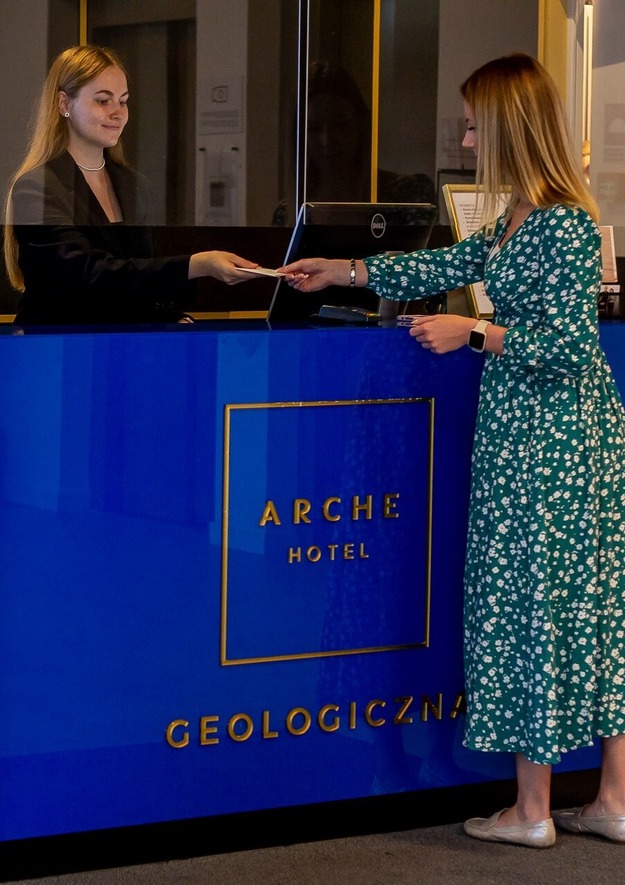

How to choose a hotel for a company team-building trip? Warsaw and surroundings
Hotel for a corporate team-building trip in Warsaw and the surrounding area should combine a convenient location, flexible space and proven event support. Room comfort, technical facilities, cuisine and on-site or outdoor team-building options all matter. When choosing, compare access, room capacity, nearby attractions, and booking and billing terms. This will help you match the venue to your trip’s purpose: building relationships, workshop sessions or celebrating results.
Key selection criteria
First define the purpose and style of the team-building event, then match the hotel to the program. Check whether the venue can handle both the business and evening portions.
Key elements include location and access, the number and layout of rooms, room comfort and cuisine. Pay attention to AV equipment, stable internet and layout flexibility. Also check the venue’s experience serving corporate clients and whether an event coordinator is available.
Location and access
In Warsaw, travel time and convenient transfers matter. Around the capital, proximity to expressways and parking is key.
If the team is flying in, choose a hotel with quick access from Chopin Airport or Modlin. If you are arriving by train, check the distance from hubs such as Warszawa Zachodnia or Warszawa Wschodnia. Outside the city, consider travel time from the ring road, coach parking and late-night taxi returns.
Rooms and team comfort
Sleep quality and recovery affect energy during activities. Quiet rooms, comfortable beds and efficient air conditioning are important.
Check the allocation of twin rooms and single rooms for staff. Ask about “quiet” floors and early check-in or late check-out. For long days, relaxation areas, a gym or sauna are useful. If you plan morning activities, verify breakfast hours and access to water on each floor.
Meeting rooms and conference facilities
A team-building trip often combines short business sessions with workshops. The room should be modular, well lit and acoustically reliable.
Require a projector or LED wall with suitable brightness, wireless microphones and high-bandwidth Wi-Fi. Ask about several room layouts: theatre-style for presentations, classroom-style for note-taking and boardroom or cabaret-style for group work. Agree on space for registration, technical support and material storage.
Team-building program: on-site and outdoors
A good hotel offers on-site attractions or easy access to green spaces and water. The choice depends on the team’s fitness and the season.
Options that work in Warsaw and the surrounding area:
- Team workshops with a trainer, scenario-based games and escape rooms in modular rooms.
- Outdoor activities in nearby forests or parks, Nordic walking and short orienteering runs.
- Culinary team-building: live cooking, alcohol-free tastings and simple team cook-offs.
- Board game and retro-console zones for the evening, without having to go out.
- A cruise or waterside activities around Zegrze Reservoir if you are planning a trip outside the city.
Cuisine, dietary needs and breaks
Food and the rhythm of breaks affect participants’ mood. Variety, service speed and attention to dietary needs matter.
Ask for a menu with vegetarian and gluten-free options, plus low-glycemic snacks for long work blocks. Provide spaced-out coffee points, infused water and fruit. For a team dinner, choose music that allows conversation and provide a separate space for quieter meetings.
Booking and billing terms
A clear contract reduces risk for both parties. Key points include deadlines, cancellation thresholds and payment method.
Agree on a provisional hold option with a decision date, room-blocking rules and no-show billing. Check the deposit, payment schedule and whether a consolidated invoice is possible. Agree on responsibility for equipment, potential damage and quiet-hour requirements.
Accessibility and safety
A modern hotel should support guests with different needs. Accessible transport and clear safety procedures matter.
Ask about accessible rooms and routes, hearing loops and room signage. Verify 24-hour reception, first-aid kits, cooperation with a security company and evacuation procedures. For evening activities, check the policy for outside guests and rules for moving around the property.
Time management and daily rhythm
A team-building trip should work like a well-structured plan, not a breathless marathon. Balance between content, movement and rest is essential.
Plan business blocks of 60–90 minutes with short breaks between them. In the afternoon, offer gentler physical activities; in the evening, relaxed team-building. Allow “me time” and quiet zones so everyone can return to their room with energy for the next day.
Hotel question checklist
This list structures the conversation and makes offers easier to compare. Ask several venues the same questions.
- What is the maximum number of participants in the room for different layouts, and are there movable walls?
- What are the internet specifications, is LAN available, and is an on-site technician provided?
- What menus and dietary requirements do you support, and how are breaks served during busy periods?
- What are the terms for booking, deposits, cancellations and consolidated billing?
- What team-building activities are available on-site and nearby without complicated logistics?
Preparation timeline
A clear rhythm of activities helps keep the budget and stress under control. Start with a request for proposal and a provisional date hold.
- 6–10 weeks before: choose the hotel, sign the contract and outline the program.
- 4–6 weeks before: confirm the number of rooms and book meeting rooms and equipment.
- 2–3 weeks before: finalize menus, dietary lists, break and activity plans, and billing details.
- 3–5 days before: finalize the guest list and room allocation, and conduct a technical rehearsal.
- After the event: settle the accounts, share materials with the team and record insights for the next edition.
How to tailor your choice to Warsaw and the surrounding area
In Warsaw itself, logistics and travel time come first. On the outskirts and outside the city, you gain more space, nature and easier outdoor team-building.
If you are looking for short transfers and urban energy, choose venues with good access from the airport and railway stations. If you prioritize quiet and outdoor activities, consider hotels toward Zegrze, Kampinos or along the main outbound routes. In both cases, flexible rooms, reliable technology and attentive service that “guides” the event from the first call are essential.